
Origins of Gambling in Ancient Civilizations
The roots of gambling can be traced back thousands of years to ancient civilizations such as the Chinese, Egyptians, and Romans. These cultures engaged in various games of chance, using materials such as dice made from bone or wood. In China, records show that gambling was common as early as 2300 BC, with activities revolving around drawing lots and playing rudimentary forms of gambling games. This early fascination with chance set the stage for the evolution of gambling through history. As more people embraced the thrill of chance, they sought platforms such as LolaJack to enhance their gaming experiences.

The Romans also contributed significantly to the gambling landscape, creating elaborate games that not only entertained but also engaged their community. Betting on chariot races and gladiatorial contests became a popular pastime, showcasing the intersection of entertainment and wagering. Such activities reflected societal values and laid the groundwork for future gaming establishments. Through these interactions, gambling morphed into a cultural staple, enhancing social bonds and community identity.
With the expansion of trade and travel, the spread of gambling practices became inevitable. The Silk Road facilitated the exchange of not just goods but also ideas and cultural practices, including gambling games. By the time the Middle Ages arrived, various forms of gambling had permeated many societies, showing that the human inclination towards chance had become a universal phenomenon. This rich history created a robust foundation for the development of casinos as we know them today.
The Birth of Casinos in Europe
The modern casino as a formal establishment originated in Italy during the 17th century. The first recognized casino, the Ridotto, opened its doors in Venice in 1638. It was designed to provide a controlled environment for gambling, catering to the nobility and wealthy citizens. The Ridotto operated under specific rules, highlighting the need for regulation in gambling activities, a concept that would later influence casino design and operation around the world.
As gambling spread throughout Europe, other nations began to embrace this burgeoning industry. France, in particular, played a pivotal role in the evolution of casinos. The introduction of games like roulette and baccarat drew in crowds and solidified the popularity of these establishments. Casinos became social hubs, where people gathered not just to gamble but to socialize and enjoy entertainment, reflecting a shift in cultural perceptions surrounding gambling.
The 19th century saw casinos flourish, particularly in cities like Monte Carlo, which became synonymous with luxury and high-stakes gambling. The allure of glamorous casinos attracted the elite, transforming them into epicenters of social activity. This period was marked by the establishment of strict regulations, ensuring fair play and preventing fraudulent practices. These early casinos set the stage for the lavish, multi-faceted gaming environments we experience today.
The Rise of Gambling in America
The journey of casinos in America began in the early 19th century with the emergence of gaming houses in New Orleans. These establishments offered a variety of card games and betting opportunities, capturing the attention of locals and visitors alike. As the United States expanded westward, gambling became embedded in the culture, often associated with the Wild West and the pursuit of fortune. This association attracted adventurers and settlers, further ingraining gambling into American life.
By the mid-20th century, Las Vegas emerged as the gambling capital of the world, transforming the perception of casinos from mere gambling houses to luxury resorts. The legalization of gambling in Nevada in 1931 allowed for the creation of lavish casinos that offered not only gaming but also entertainment, dining, and shopping. This diversification helped Las Vegas to attract a broader audience, changing the landscape of gambling forever.
Over the years, the concept of casinos evolved, incorporating technological advancements that enhanced the gaming experience. Slot machines became a staple, appealing to those who preferred a more casual form of gambling. The rise of online gambling in the late 20th century marked a significant shift, allowing players to engage in casino games from the comfort of their homes. This digital revolution paved the way for a new era in gambling, emphasizing accessibility and convenience.
The Modern Casino Experience
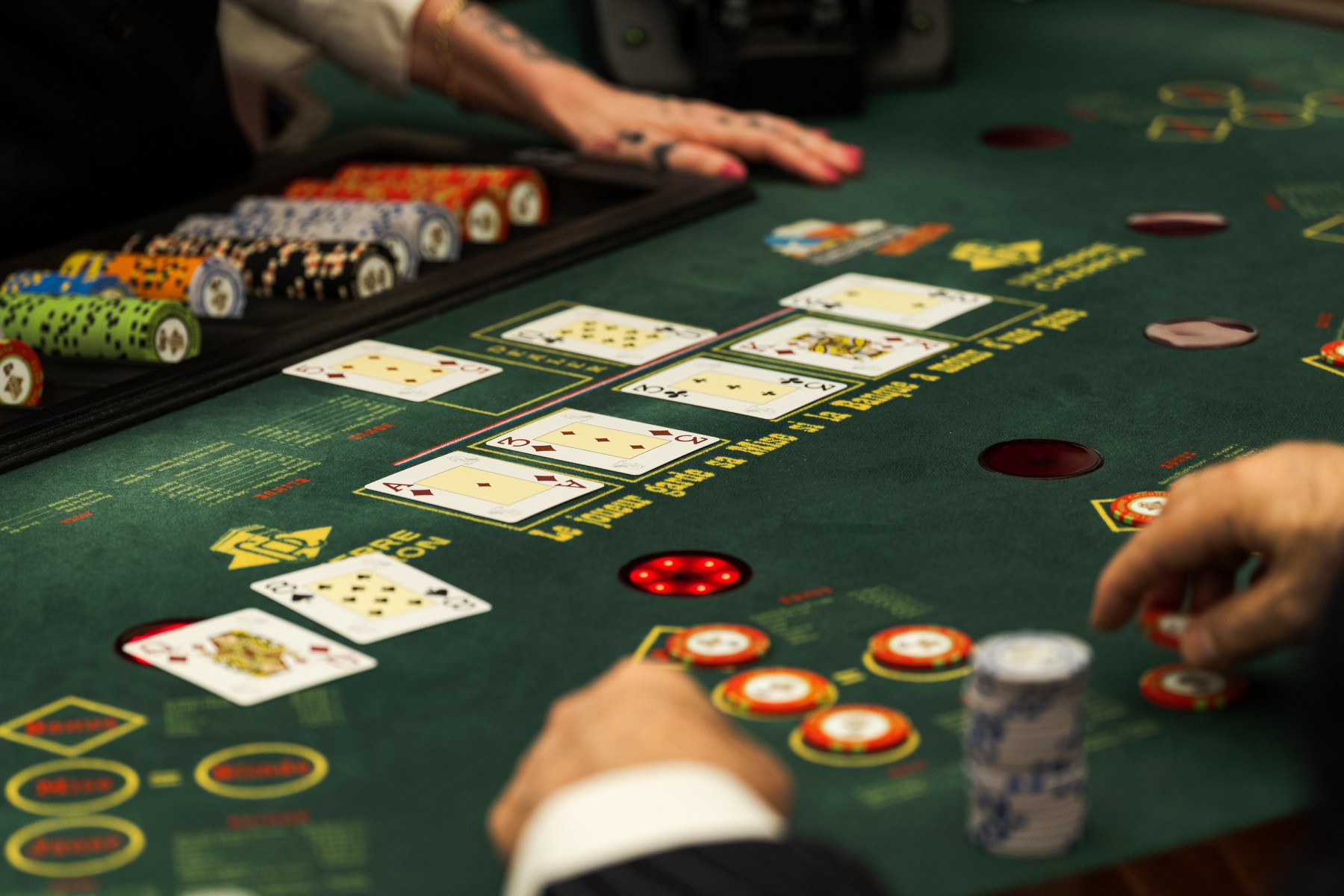
Today, casinos have evolved into multifaceted entertainment complexes, offering a blend of gaming, dining, and entertainment options. The modern casino experience goes beyond just gambling; it includes lavish hotels, fine dining restaurants, and world-class shows, making them destinations for travelers and locals alike. With themed resorts and immersive environments, casinos have transformed into vibrant social spaces that cater to diverse interests.
The implementation of advanced technology has further enhanced the gambling experience. Innovations such as virtual reality gaming and mobile applications have made it easier for players to enjoy their favorite games. Additionally, casinos have integrated loyalty programs to reward frequent visitors, creating a sense of community and encouraging repeat business. This focus on user experience has allowed casinos to thrive in an increasingly competitive market.
Despite the growth of online gambling, physical casinos continue to hold a significant place in the hearts of many. The atmosphere of excitement, the social interactions, and the allure of potentially winning big create an experience that cannot be replicated online. As regulations continue to evolve, and new technologies emerge, the future of casinos looks promising, with opportunities for further growth and innovation.
LolaJack Casino: The Future of Online Gaming
As the gambling landscape continues to shift, platforms like LolaJack Casino are redefining the online gaming experience. Offering over 4,000 games, including slots, table games, and live dealer options, LolaJack ensures that players have a diverse selection to choose from. The site operates under a secure international gaming license, providing peace of mind for those engaged in online gambling.
New players are welcomed with an enticing bonus package, promoting an engaging start to their gaming journey. With user-friendly navigation and fast payouts through various payment methods, including cryptocurrencies, LolaJack Casino exemplifies the modern approach to online gaming. The site prioritizes player experience and security, making it a reliable choice for both newcomers and seasoned players.
As we look ahead, LolaJack Casino aims to innovate further, continuously enhancing their platform to meet the evolving needs of gamers. By fostering a strong loyalty program and integrating new technologies, they ensure a thrilling and rewarding experience for all players. This commitment to excellence highlights the exciting future of online casinos in an increasingly digital world.


